

Author: Dr. Dana Lillestol, PhD
Introduction
Cannabis has a long history of being used to treat mental health conditions, dating back thousands of years.
Here at Life Is Chill, we celebrate connection, community, friends and family. However, when someone we love or care about has a mental health condition, all bets are off. That is why we fully support May as Mental Health Awareness Month, as designated by the National Alliance on Mental Health since its inception in 1949.
Approximately 1 in 5 adults experience a mental health crisis yearly with only half seeking treatment or help.
Any mental health condition can derail an individual, impact a family or work environment and can pose a possible threat to the health and integrity of a community. Our weekly news attests to the escalating effect and growing concern in our society of mental health illness.
Below are examples of mental health conditions on the rise:
| Mental Health Conditions | |
|
|
Cannabis As Medicine
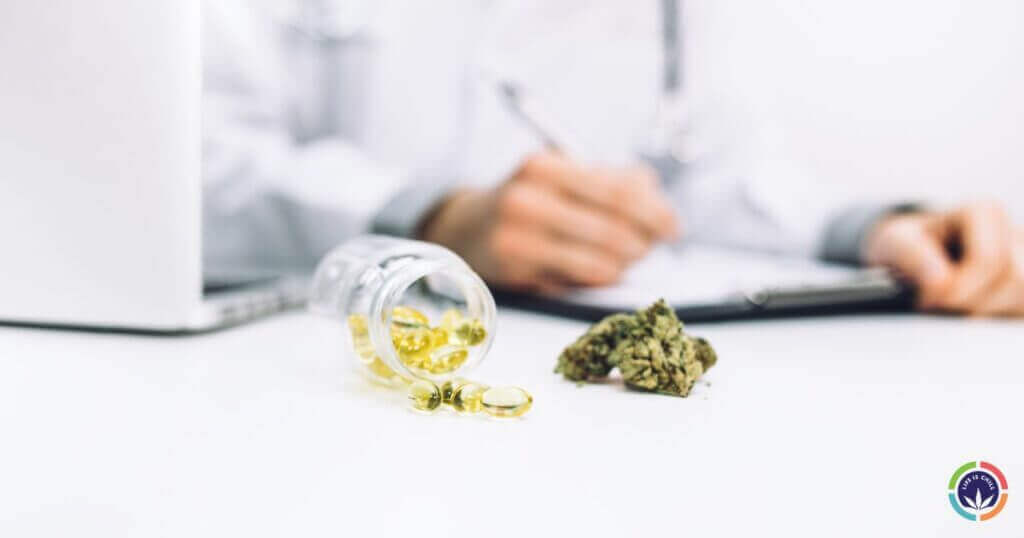
There is mounting evidence that cannabis can have a place in mental health medicine, especially in animal studies where marijuana has shown to decrease anxiety, depression, and pain.
Our veterans are a testimony to the role and effect of cannabis to treat their anxiety, social phobias, post-traumatic stress disorder (PTSD), pain and sleep disturbances.
While our understanding of cannabis from a medical standpoint is growing the state of the science is still at a basic level related to its classification as Schedule I.
The cannabis plant has over 550 chemical compounds with 140 being identified as cannabinoids. As a plant, these compounds work individually and in combination to affect cannabinoid receptors in the brain and throughout the body, impacting one’s perception and physiology.
Pharmaceutical companies cannot identify which mechanisms are at work in this situation. In addition, the classification of Schedule I for cannabis has prohibited all research efforts which is under review by the Department of Justice.
So, let’s boldly go into the unknown and share the journey, as there is a lot of anecdotal testimony about the value and benefits of both cannabis and cannabidiol (CBD) for mental health.
Research Support
A Cannabis Health Index (CHI) score has been developed to evaluate the benefit cannabis has on individual health conditions based on the work of Uwe Blesching that reveals different degrees of confidence in cannabis as an effective treatment for a specific aliment.
Each study is rated on a scale of 1-5 based on the type of study, and then this number is multiplied by +1 if the study results are positive and -1 if the study results were negative for a particular medical condition.
However, the score represents the actual amount of current research completed and published on a condition and often does not reflect the efficacy to treat a particular condition.
Below are the evidence-based cannabis scores for possible health conditions:
| Point System | Evidence-Based Rating of Possible CHI Scores |
| One Point | Possibly efficacious in the treatment of this condition |
| Two Points | Possible to probable efficacy in the treatment of this condition |
| Three Points | Likely probably efficacy in the treatment of this condition |
| Four Points | Probable to demonstratable efficacy in the treatment of this condition |
| Five Points | Demonstratable efficacy in the treatment of this condition |
Current Science on Various Mental Health Conditions
Three mental health conditions will be covered, and the CHI score shared to date. The three conditions covered will be Attention-Deficit-Hyperactivity Disorder (ADHD), anxiety, and depression as these three are very prevalent within the United States population.

Cannabis for ADHD
Individuals with diagnosed ADHD have brains that work opposite; they get calm with stimulants. Pharmaceutical medications seek to stimulate dopamine, a neurotransmitter (or brain chemical), which helps regulate behavior and fine-tunes focus. Unfortunately, these drugs have negative side effects, therefore, individuals are looking for alternatives.
The brain of an individual with ADHD becomes quickly overwhelmed with the rapid speed and quantity of information in today’s world.
Dr. Bearman, a medical doctor with over 40 years in cannabis, states cannabis appears to treat ADD and ADHD by increasing available dopamine in the brain.
Cannabinoids have the same effect of Ritalin or Dexedrine amphetamine but have a different mechanism of action. The research support for using the CHI score is a +2 for ADHD using cannabinoids.
In treating individuals with ADHD, it is best to use drops, capsules, or edibles at very high dosages of CBD to be most effective at a recommended dosage of 24:1 CBD: THC. When hyperactivity is an issue, consider higher levels of several cannabis terpenes or essential oils such as myrcene, pinene, and linalool for calming the over-active brain.
Cannabis for Anxiety
Chronic anxiety is prevalent in more than 19 million U.S. adults. However, anxiety on a global scale is out of control!
People are not feeling comfortable with world events, changing economies and leadership, war, in-fighting and general disruption to life as we have known it to be.
The hallmark signs of anxiety are worry, negative brooding, fear, apprehension and nervousness.
By itself, cannabidiol (CBD) has been found to reduce experienced stress and anxiety. A 2012 international research review concluded a reduction in social anxiety using CBD. The research support for using CBD in anxiety is a CHI score of +3.
CBD interacts with the body’s own serotonin levels which are critical to alleviate the symptoms of anxiety. Serotonin is another neurotransmitter or brain hormone that plays a crucial role in mood regulation.
However, cannabis has been used to reduce the symptoms of anxiety for thousands of years, yet caution is encouraged as large amounts of cannabis consumed can trigger worse anxiety and paranoia.
Yet, low levels of cannabis are reported as more calming and relaxing to the brain. Individuals well-versed in cannabis use can navigate these waters well but caution is given for new partakers. The recommendation is always to take a low amount and make slow changes over time to see how the body reacts.
Balanced serotonin levels are key to managing anxiety.
Again, a starting dose of CBD is recommended at 5 or 10 mg at a time, administered in either drops, capsules, or edibles. Slowly graduate up to between 25 and 75 of CBD by itself.
If an individual’s wants to add cannabis, the recommendation is high CBD and very low THC as in 20:1 CBD: THC.
Again, when an individual wants to use cannabis, choose a strain that is high in the terpene linalool or get the strain ACDC.

Cannabis for Depression
The third and last condition is depression. The jury is out on depression and cannabis with mixed reviews. The seriousness of depression and mood disorders requires a medical professional for management.
Clinical depression is characterized by sadness, low motivation, lack of interest, poor appetite, decreased energy and harmful thoughts.
Stopping one’s pharmaceutical medications is never recommended. Your decision to use cannabis or CBD for your condition must be addressed with your medical provider. Complete transparency is totally recommended.
Depression is a serious mental illness that affects over 17.3 million adults a year in the U.S. According to the World Health Organization, it is a global epidemic at 260 million individuals across our world.
Suicide is the eleventh leading cause of death involving approximately 48,000 deaths a year in the U.S. A 2016 study describes CBD as a novel substance in the body that triggers three critical brain hormones: serotonin (mood regulation) glutamate (executive function and mood regulation) and dopamine (the feel-good chemical in the brain).
These authors argue that CBD should be considered a novel fast acting antidepressant drug. A second study revealed a 50% reduction in depression in individuals taking high amounts of CBD. Research support for CBD in depression is a CHI score of +2.75.
CBD is recommended in depression at 20:1 CBD: THC in drops, capsules, or edibles. To improve energy, consider a strain high in the terpene limonene, which boosts mood.
The use of cannabis for depression and mental health is recommended for the seasoned expert, in tandem with one’s medical provider, as the best-case scenario involves taking all prescribed antidepressant medications simultaneously.
The recommendation with depression is to consult a medical professional first about supplementing with CBD alongside the prescribed pharmaceutical regimen and then monitoring the bodies’ response.
Society at large wants (and needs) healthy human beings who can show up in life, contribute and shine with everyone’s unique skills and talent. It is not a world anymore of “one size fits all,” but rather a world of individual variance and unique combinations that spell health for each person.
Conclusion
The landscape of mental health is changing with the legalization of medical cannabis and CBD. Patients are looking for alternatives to improve their quality of life.
Having an informed medical provider in cannabis is not the norm today but the future holds that possibility. It is highly recommended a patient works with a medical professional experienced in recommending CBD or medicinal cannabis. This ensures both the dosage and delivery method are based on individual comfort and need.
In addition, educated and aware patients can be their own highly informed health consultant. So, pay attention to the bodies’ response and course-correct based on what is true for you!
Here at Life Is Chill, we are committed to supporting optimal wellness and high-functioning. The answers are out there, yet one must go looking. If you or someone in your sphere of influence is suffering with any of the above conditions, consider adding CBD at a very low dose and pay attention— you may be pleasantly surprised at what you find.